
Glass Façade Defects: Why Inspection Matters
What might seem to be an isolated maintenance problem is a small crack, a defective sealant joint, slight water staining, or condensation on the glass façade. However, in a high-performance building envelope, visible defects may actually be signs of a more general façade performance issue. Glass façades are complex systems that include glass, framing, gaskets, sealants, anchors, drainage channels, thermal interfaces, and interfaces with the neighbouring building elements. If there is a defect in one of the components, the performance of the whole façade system can be affected.
Common Glass Façade Defects to Watch

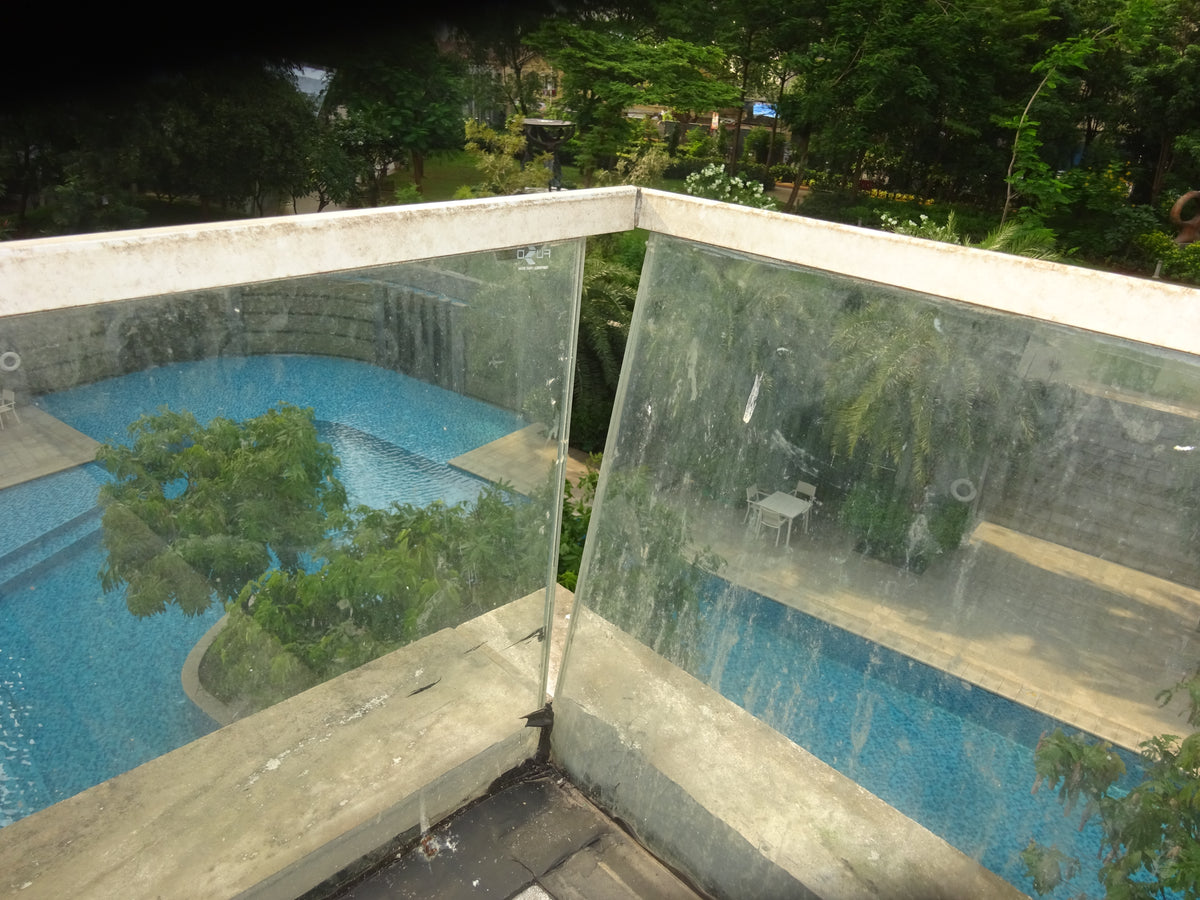
Damage to the glass and cracks at the edges
Glass cracking must never be regarded as just a cosmetic matter. Cracks may be caused by thermal stress, edge damage, problems during installation, structural movement, impact, or poor detailing. It is important to know the cause before deciding whether to carry out a repair or to replace the item.
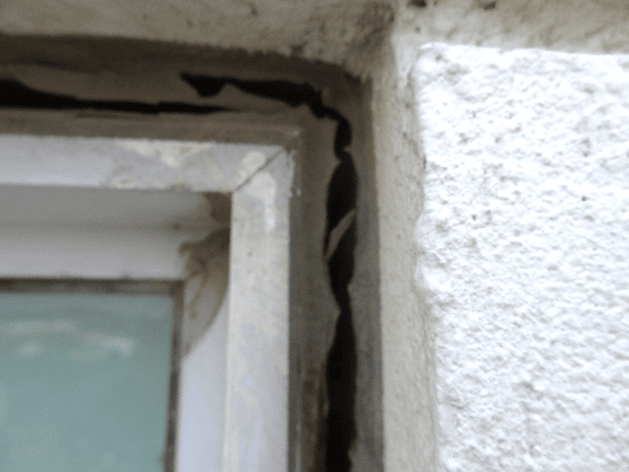
Sealant Failure
Sealant that has deteriorated, debonded, cracked, or been poorly installed can cause the façade to lose its weather-tightness. Sealant failure can lead to water and air getting into the area and may also point to problems relating to movement, the substrate, the joint design, or the way it was installed.
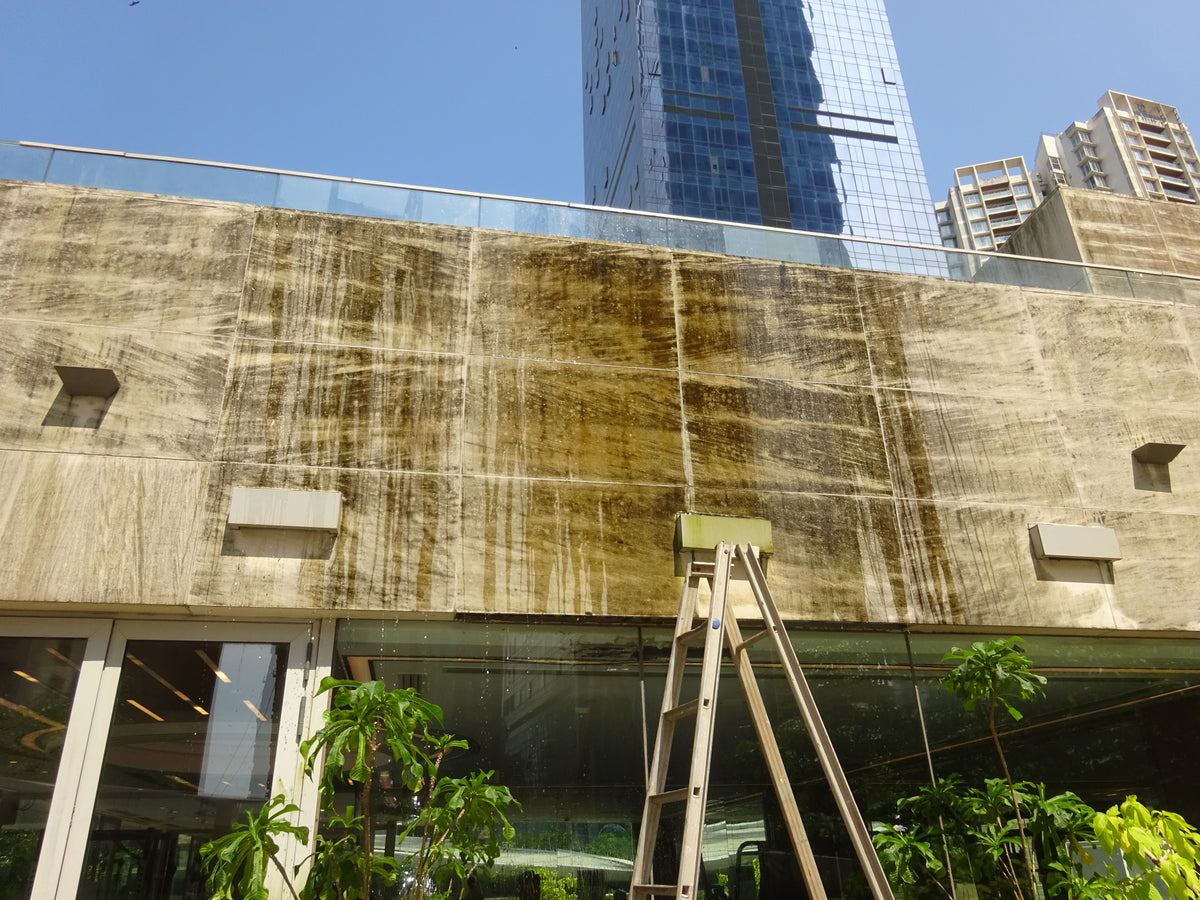
Water Leakages & Stains
Water staining at glass panels, frames, mullions, or internal finishes could be due to drainage, flashing, gaskets, sealant, pressure equalization, or facade interfaces. The real area of water ingress may not be obvious at the point of water staining.
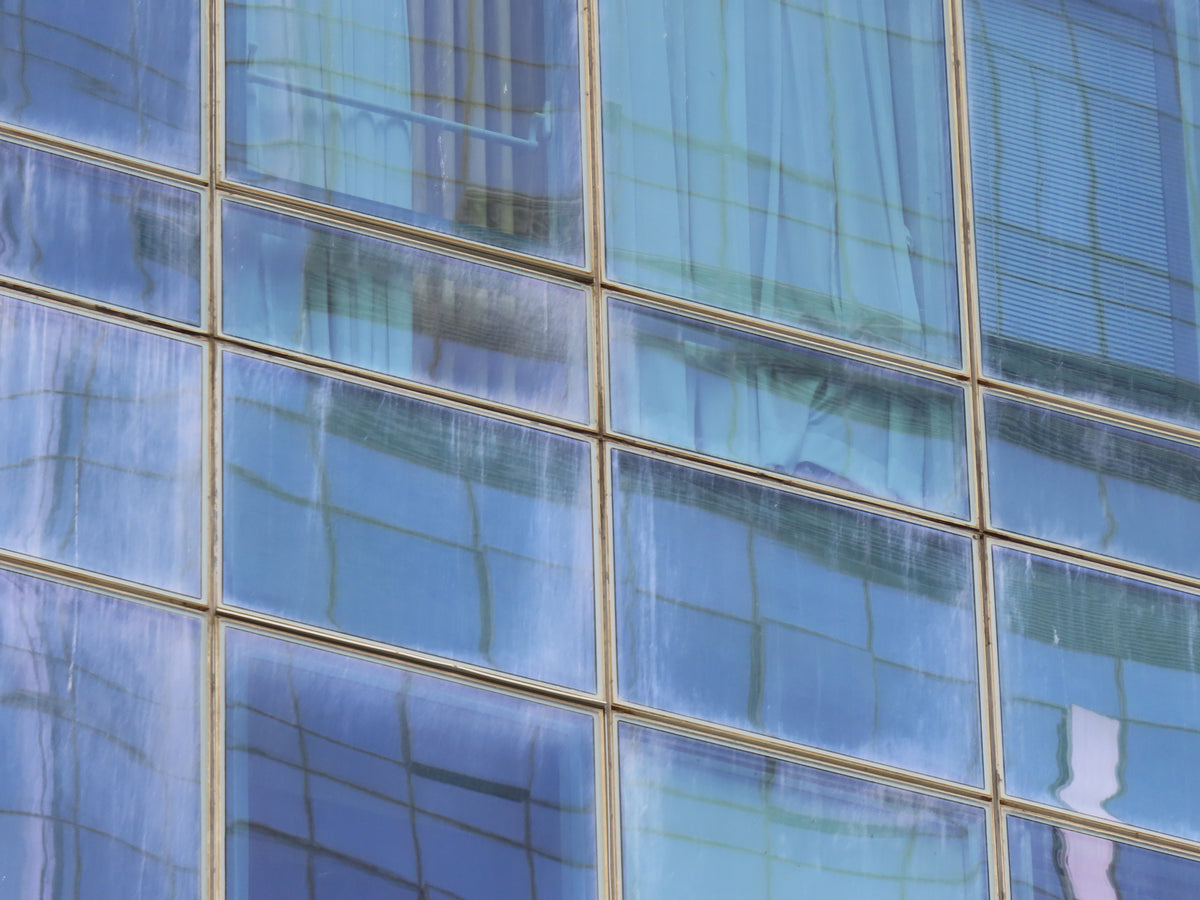
Condensation and Fogging
Condensation and fogging could indicate problems relating to insulated glass units, thermal bridging, ventilation, indoor humidity, or glazing seal failure. There must be an accurate determination of whether it is surface condensation or a failure of the insulated glass unit.
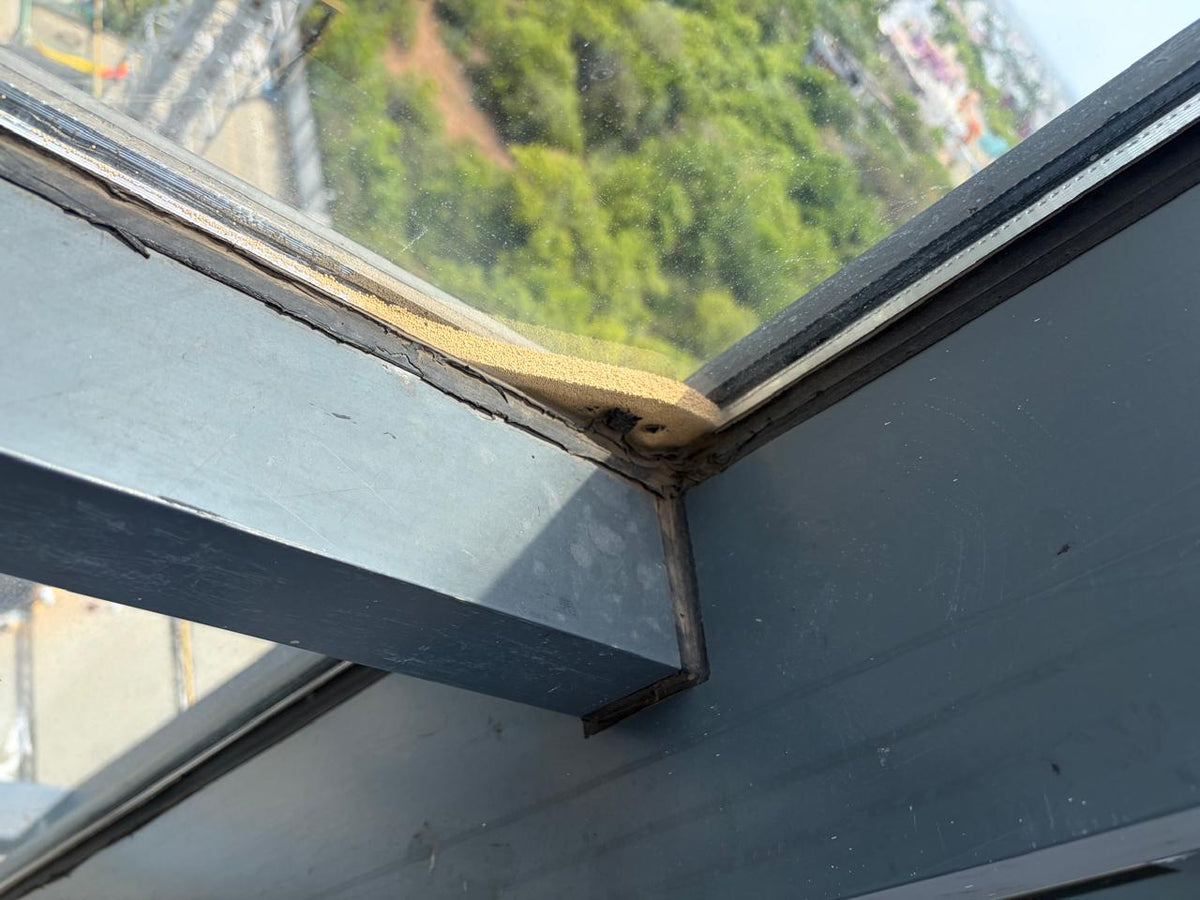
Glazing to Frame and Gasket Problems
The displacement, hardening, damage, or improper installation of gaskets may influence glazing retention and weatherability.
Frame Movement and Alignment
Mismatching, excessive movement, or distortion of the frame of a curtain wall may affect the seating, joints, sealants, drainage, and adjacent façade elements. Movements must be evaluated relative to the design and anticipated service conditions of the façade system.
Why Early Façade Inspection Matters
It is important to recognize that sometimes the façade problem may be just a symptom of the greater system behavior.
In other words:
Staining of the façade due to water infiltration → examine the whole drainage system, seals, gaskets, and interfaces
Cracking of sealants → check for joint movement and installation problems
Cracking of glass façade → check for stress conditions and installation problems
The reason is the need to understand the cause of the façade defect and its impact on the overall performance of the façade system.
From Visual Inspection to Technical Assessment
A systematic glass façade inspection may include:
- Visual façade surveys
- Glass and framing condition assessment
- Sealant and gasket inspection
- Water ingress investigation
- Drainage-path assessment
- Glazing and fixing review
- Movement and interface assessment
- Targeted water testing where required
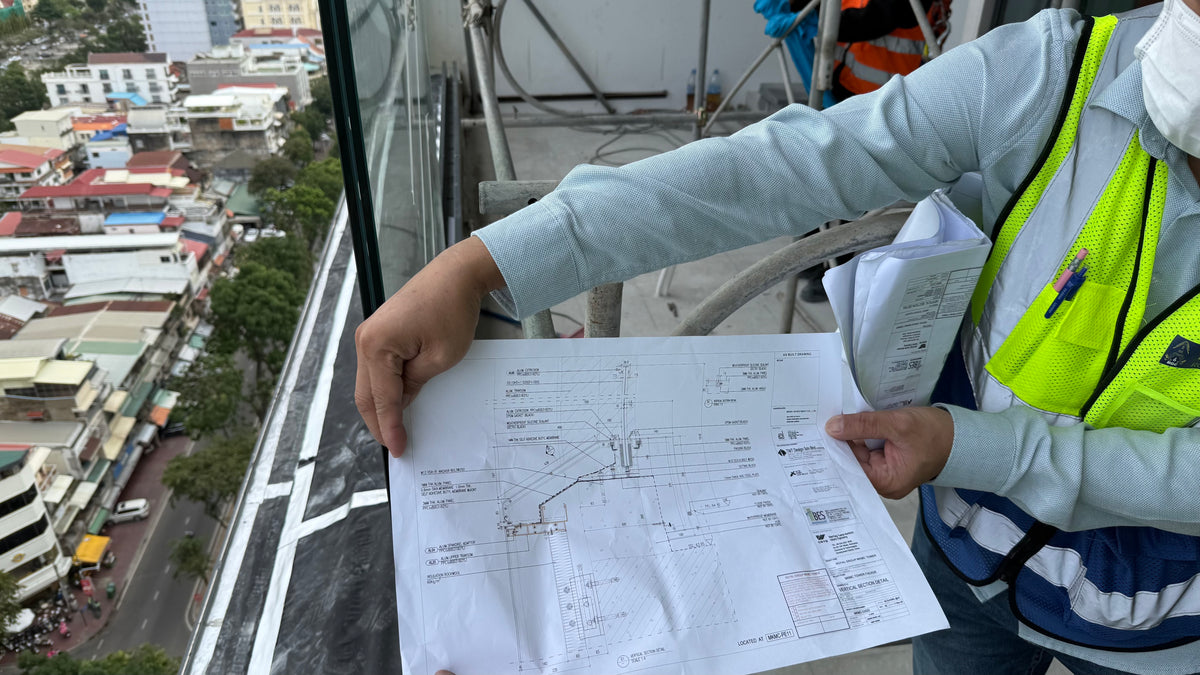
- Review of available drawings and specifications
- Defect documentation and photographic mapping
- Recommendations for repair, replacement, or further investigation
The objective is not simply to identify what is wrong.
It is to determine why the defect occurred, whether it is isolated or systemic, and what intervention is appropriate.
The Key Takeaway
Don't just fix the obvious defect. Discover what made it happen.
A comprehensive façade inspection and engineering assessment can help pinpoint the root cause and determine the appropriate course for repair, maintenance, or further investigation.
Our experience in façade engineering and building envelope includes façade inspections, defect assessment, performance evaluation, technical reviews, and construction-stage support for complex buildings.
Contact our team for façade inspection or glass façade defect assessment.
Conclusion
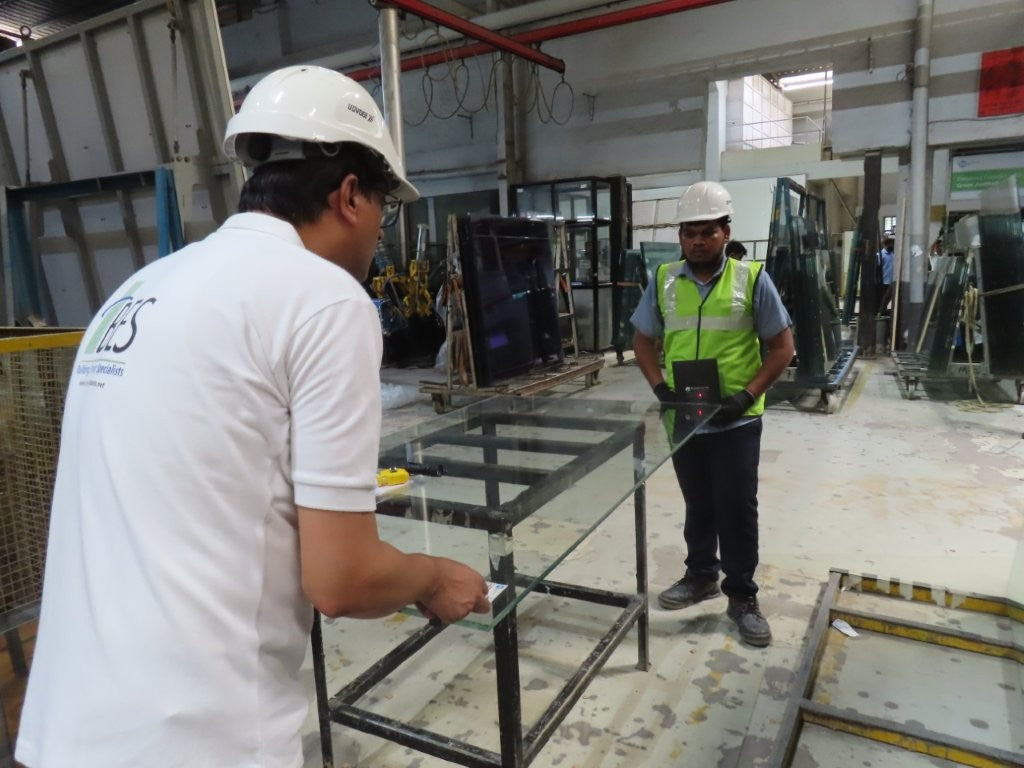
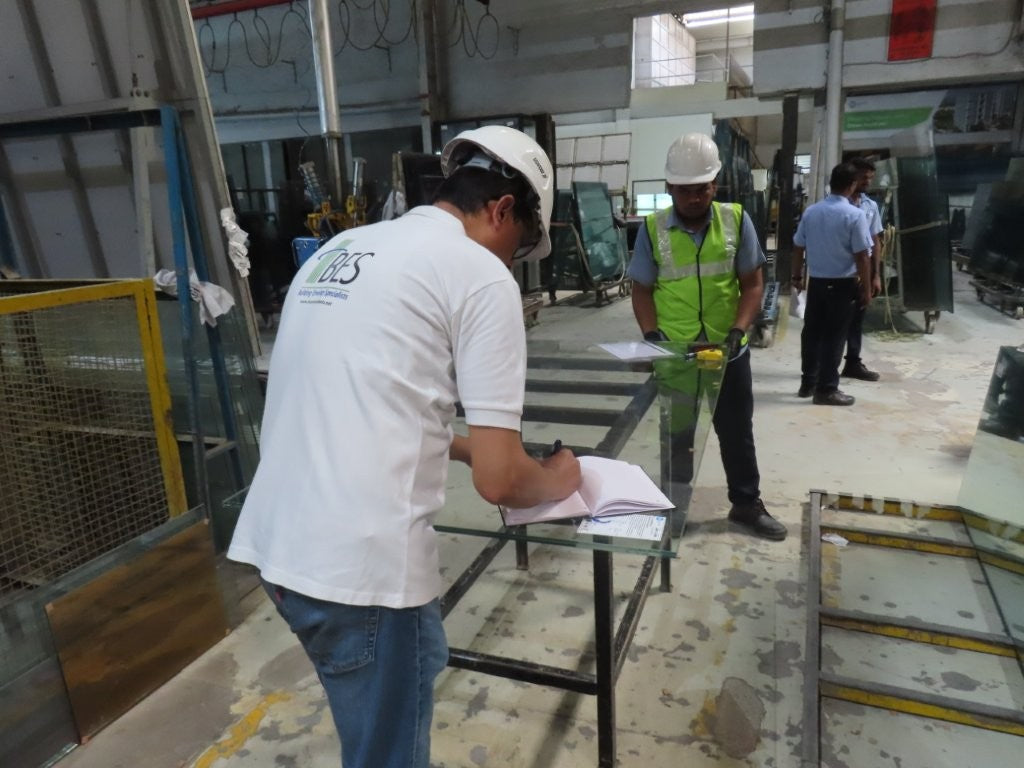
Identifying glass façade defects early can help prevent minor issues from developing into more complex façade performance problems. Regular façade inspections, supported by technical assessment, can help identify water ingress, sealant failure, glass damage, and other defects before they affect the wider building envelope.
Beyond identifying visible defects, a proper façade inspection helps understand their underlying causes and determine the appropriate repair or maintenance approach.
As buildings become more complex, proactive façade inspection and façade engineering will remain important for maintaining safe, durable, and high-performing glass façade systems throughout the life of a building.