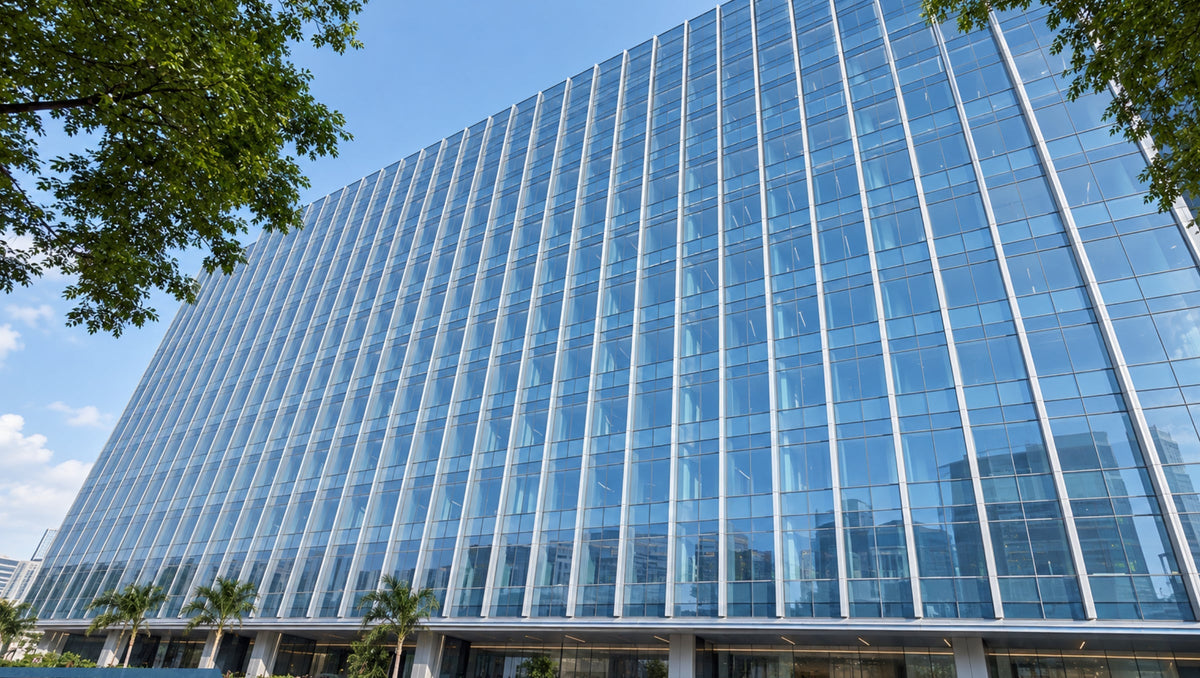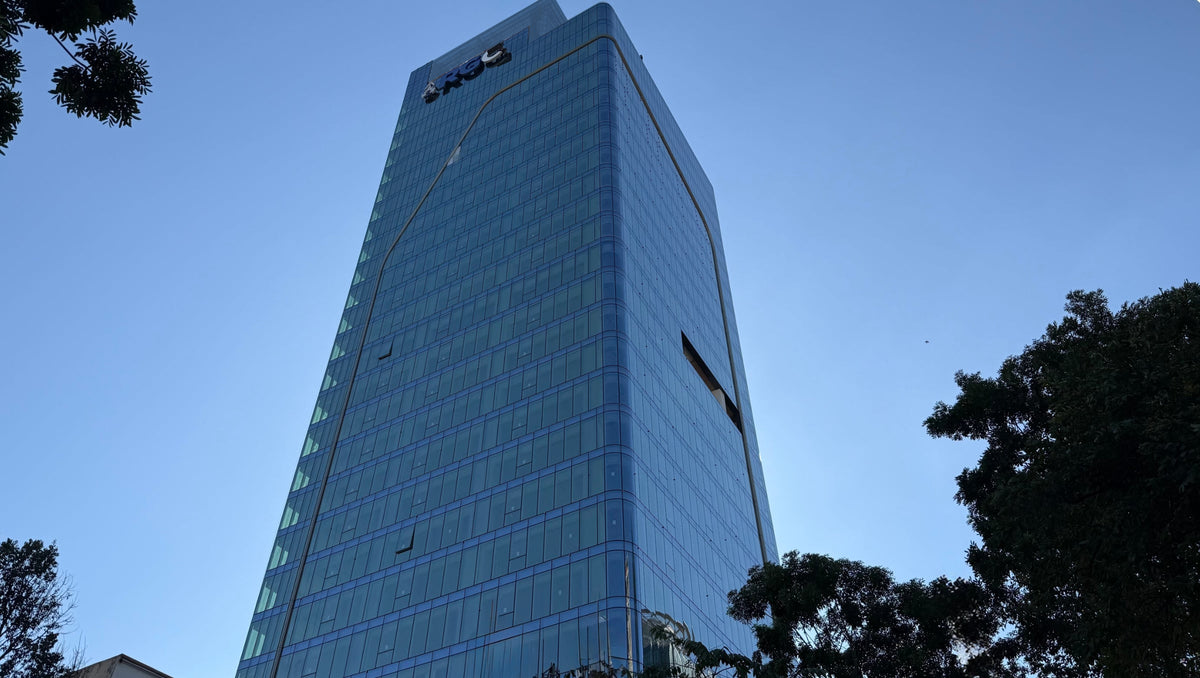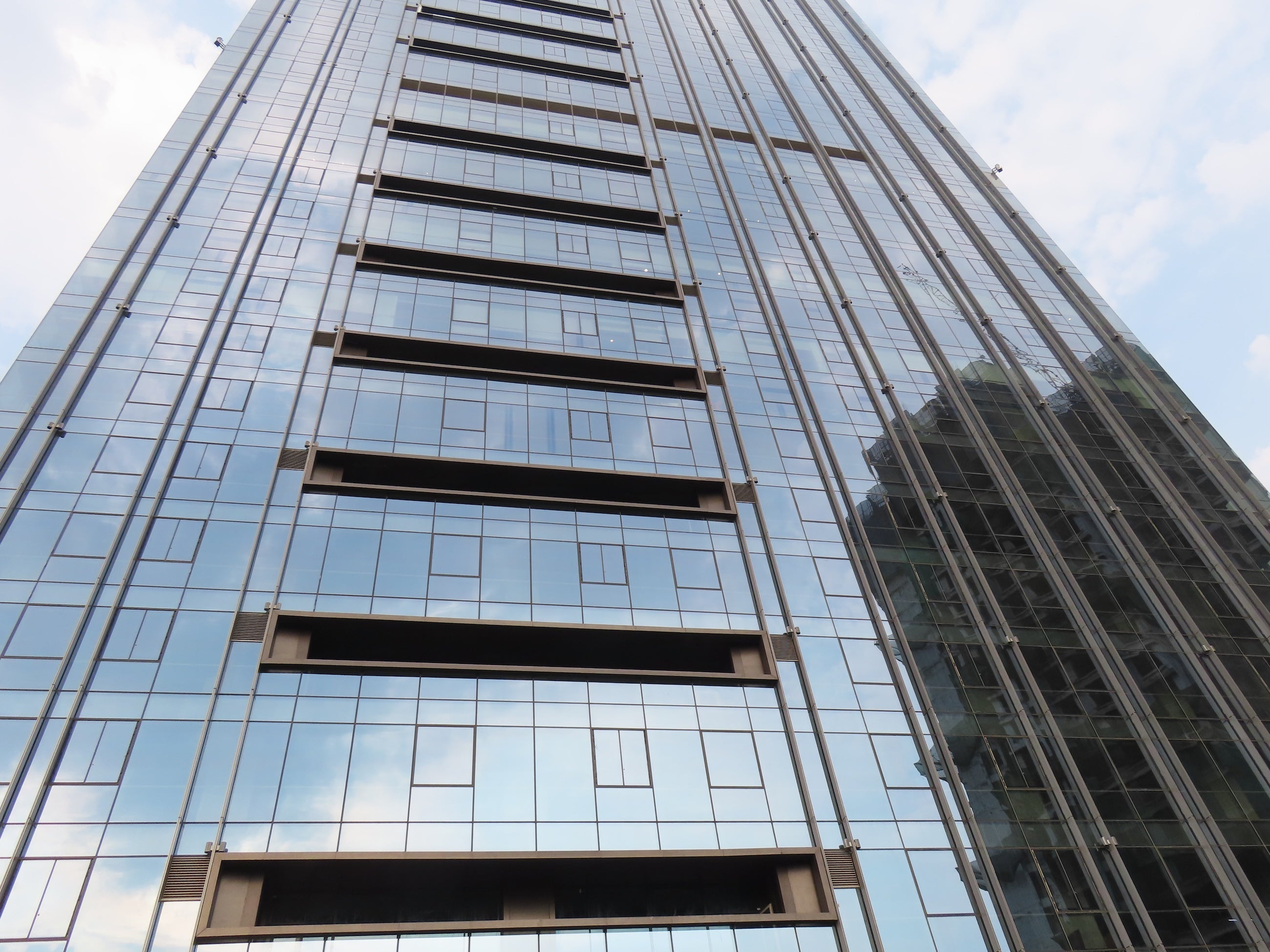
Building Performance Analysis
We help to maximise performances and achieve highly optimised designs
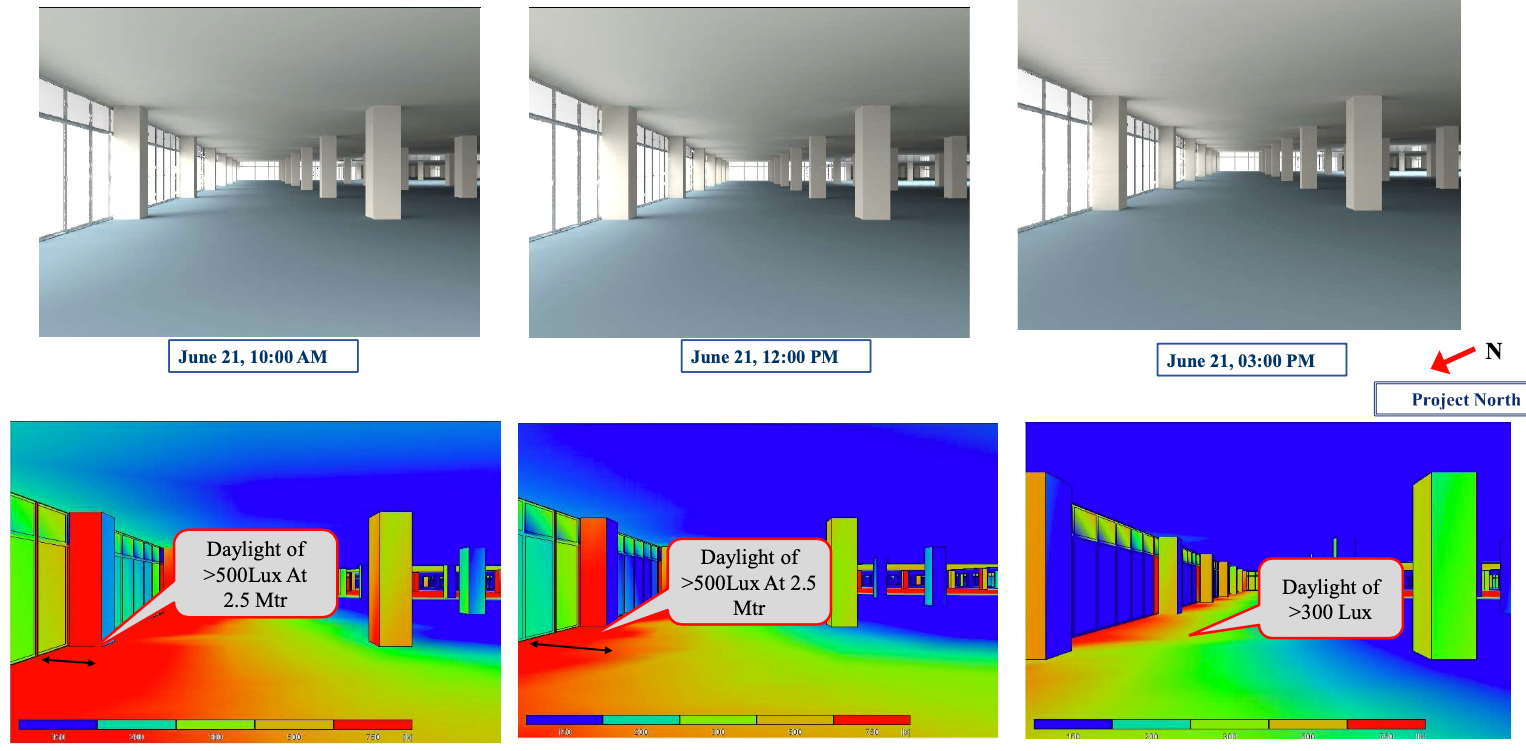
Occupants Comfort
Our team uses advanced simulations to achieve highest level of occupant comforts with appropriate facade design solutions, performances of materials.
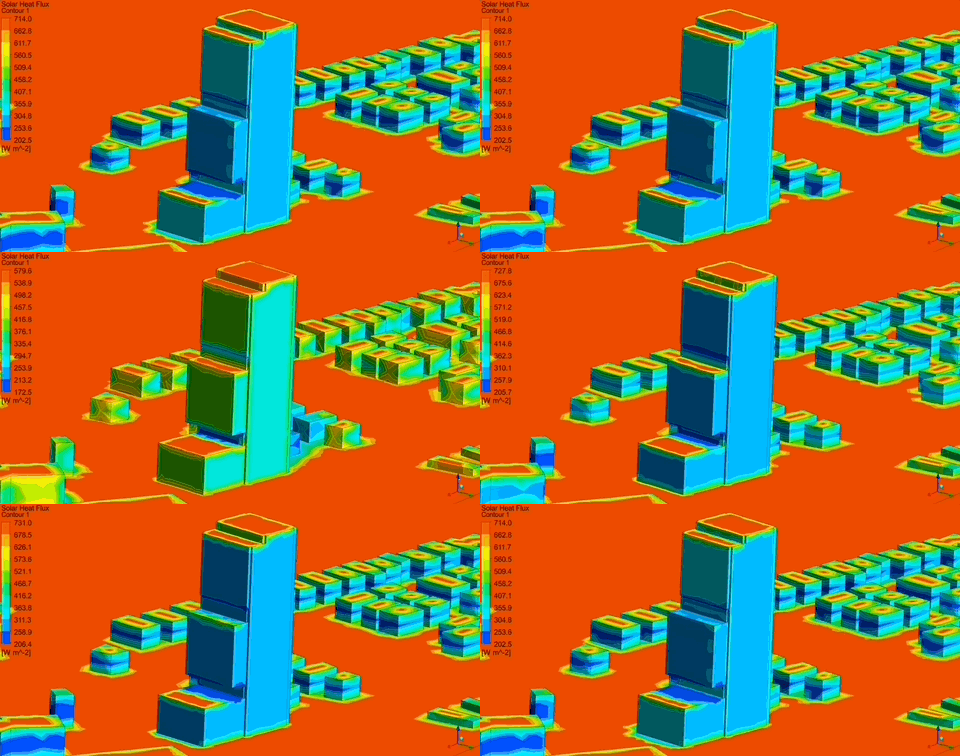
Energy Efficiency
Energy efficiencies are achieved with detailed level of analysis, understanding the performances of various materials and build ups with practical approach
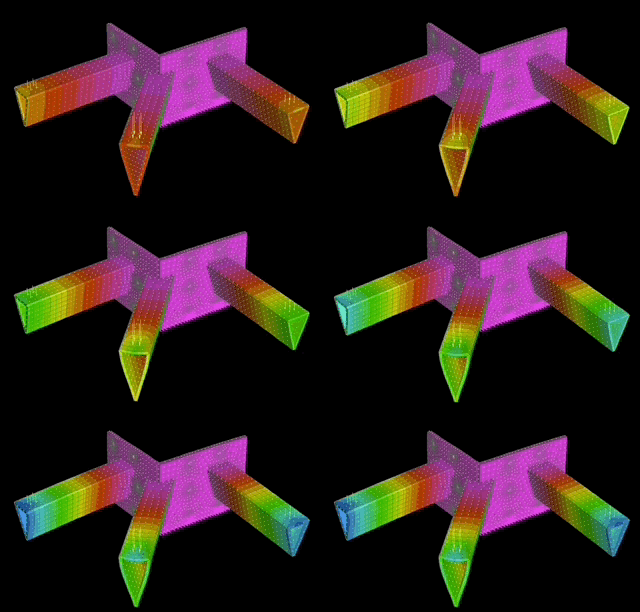
Engg & Optimisation
Advanced engg designs skills & techniques are adopted to achieve cost savings on materials, improve design efficiency yet robust solutions
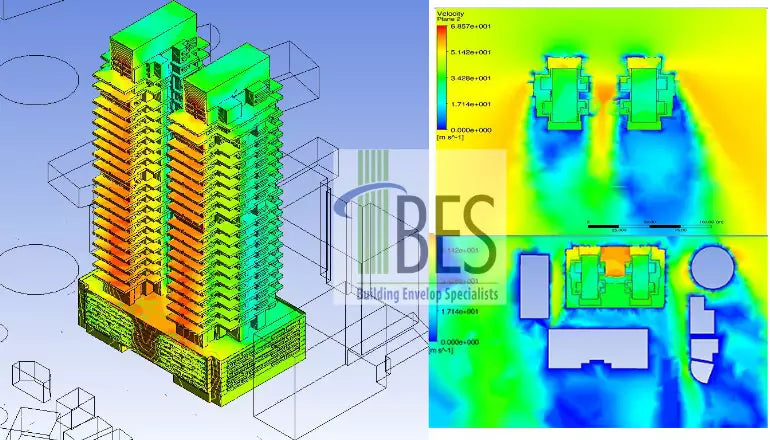
Wind Engg and Optimisation
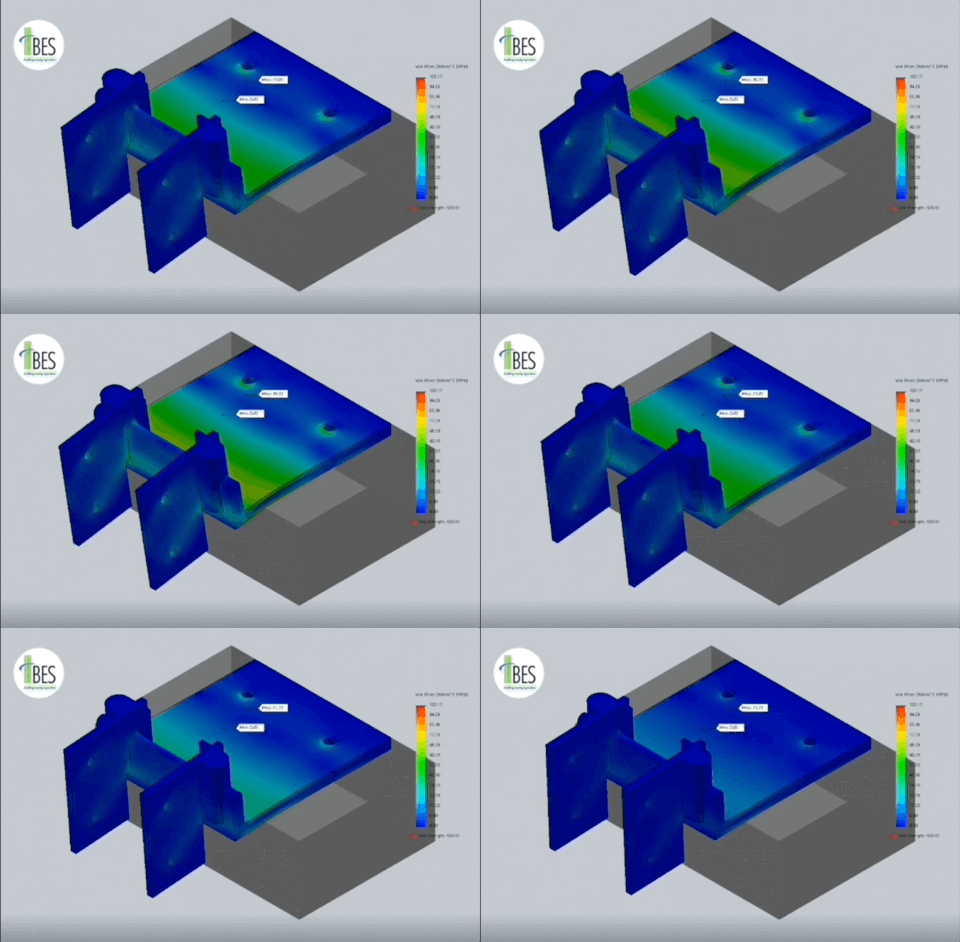
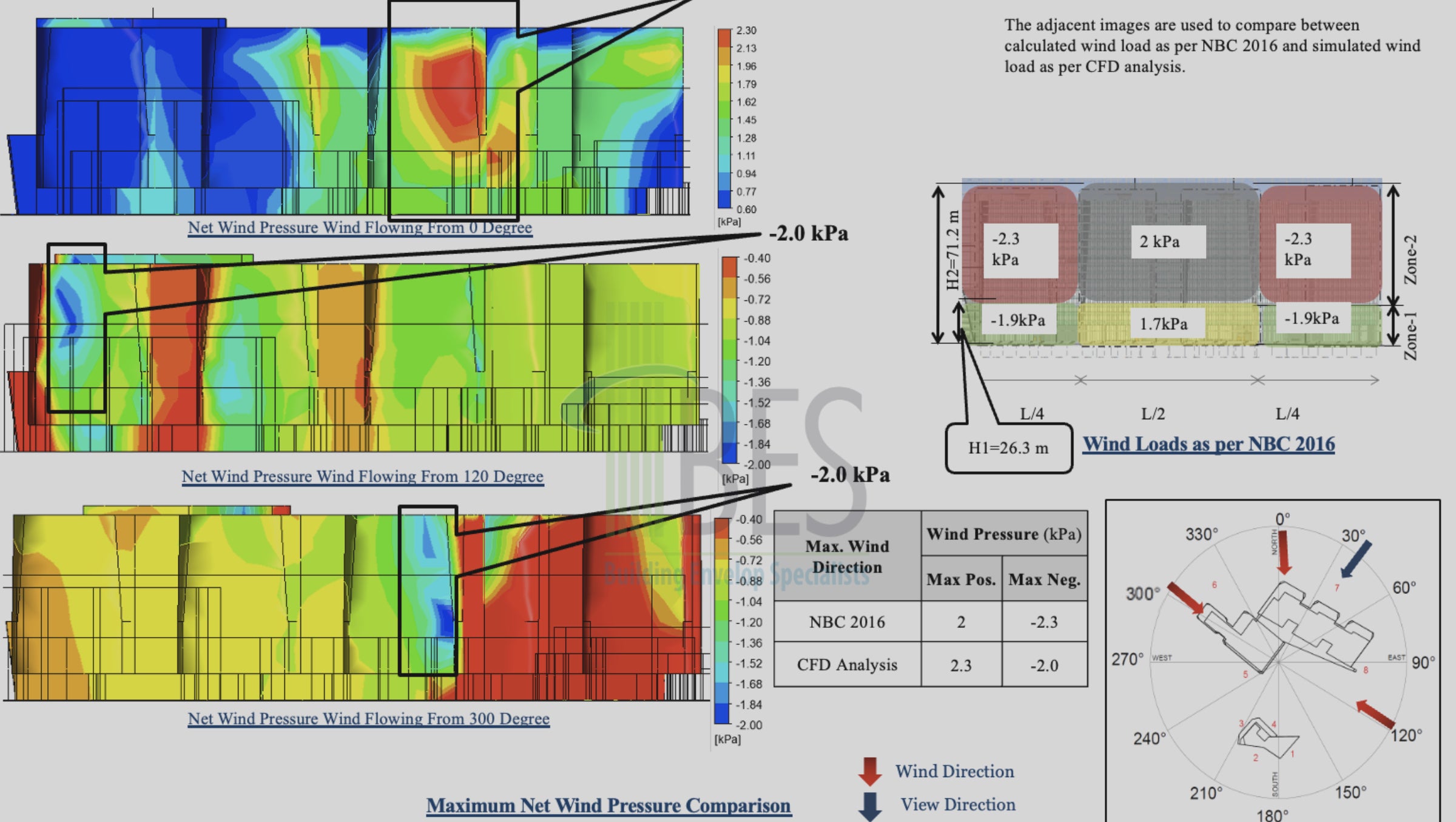
3 phase approaches adopted for facade wind pressures, highest level of optimisation achieved with our independent analysis Not just limiting to code based.
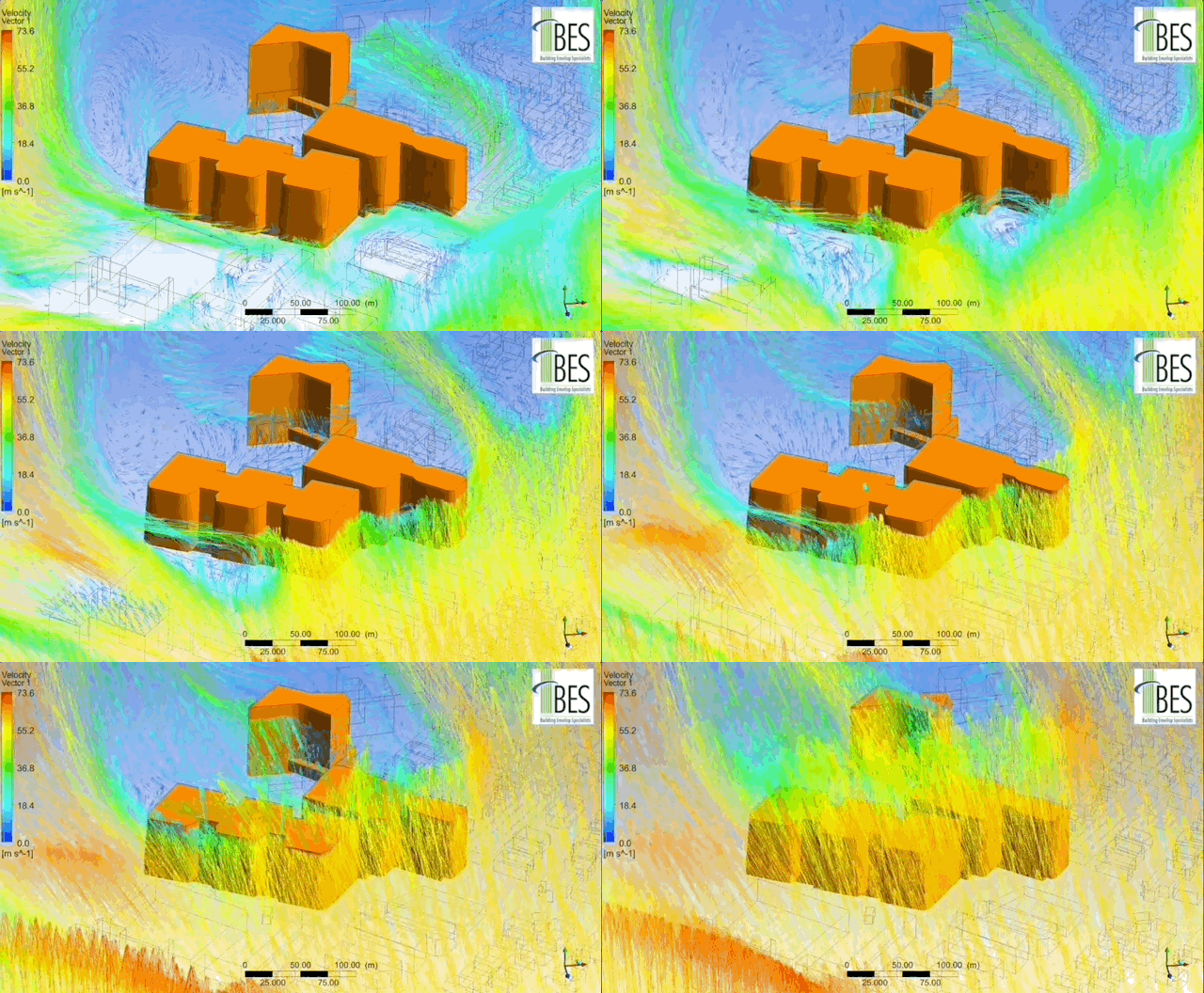
How do we predict Engineering behaviours precisely
BES offers Wind Engineering services for the Architectural and Building sector using Computational Fluid Dynamics (CFD) techniques. Similar technologies are used in the Automobile and Aerospace industries.
These advanced technics have helped BES in delivering fully integrated and Highly optimized design solutions for Architectural and Building problems. Wind engineering studies are applied to Architectural design at the micro or micro-level ranging from various stages covering masterplan level to building layouts and facade designs.
BES has implemented this skills on several high rise facades engineers, achieved optimised and economical design solutions.
Building Performance Analysis
BES leverages state-of-the-art design tools and cutting-edge technologies to enhance, optimize, and extend the boundaries of wind engineering design.
Our advanced design studies deliver efficient and cost-effective solutions that not only improve building performance but also enhance occupant comfort.
- Wind Simulations – Accurate modeling to predict wind impact on buildings and surroundings.
- Natural Ventilation Studies – Optimizing airflow for sustainability and occupant well-being
- Engineering Optimizations – Smart design solutions that balance performance, cost, and efficiency

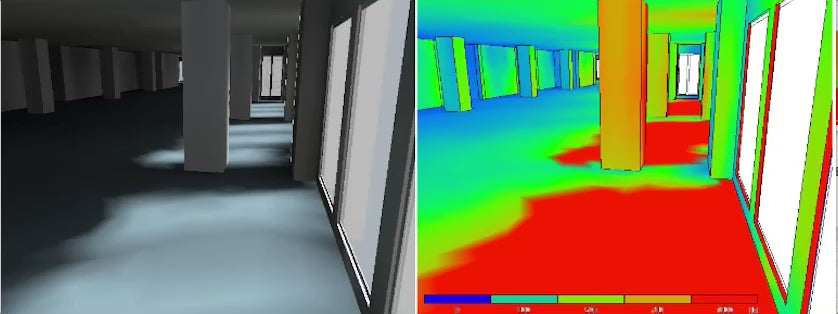
Daylight Simulations to Optimise Natural Lights
BES teamwork on advanced simulation tools, techniques to optimize natural daylights, achieve energy efficiency, thermal comforts, and arrive at appropriate glazing designs and glass specifications. Performances are arrived at based on detailed analysis and verifications, not just working on thumb rules or assumptions
Better Understanding of Wind and Rain
Multi phase CFD simulation completed by BES to study the rain water penetration through an ventilation (louvred) opening. This has help the architect to verify the ventilation opening of the lift corridor, the simulation helped the team otherwise it requires expensive laboratory testing.
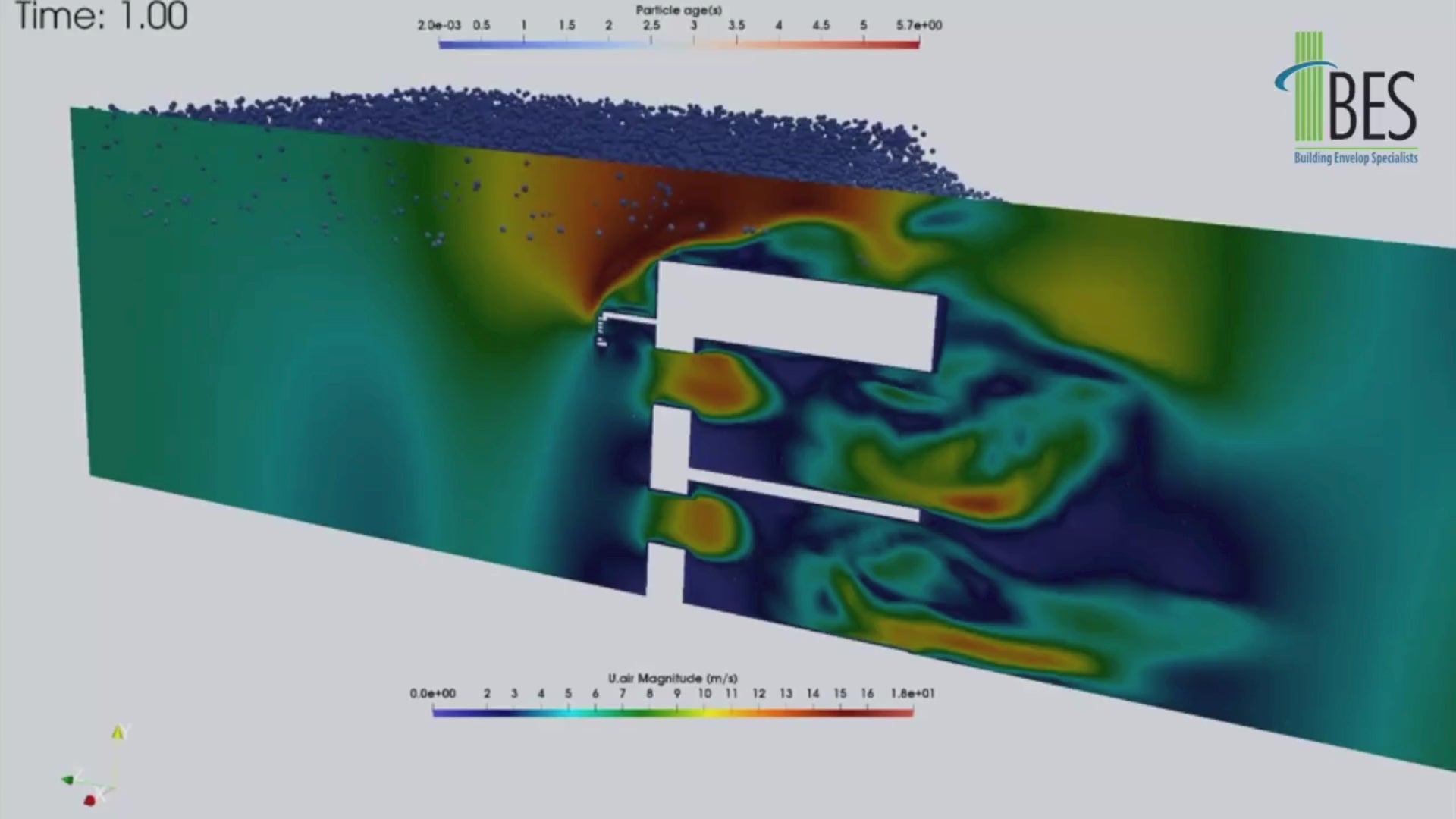
Project : Normanton Park Condominium, Singapore
BES conducted a detailed study to analyze and quantify rain penetration through the lift corridors of residential apartments. The objective was to evaluate and recommend the most effective louvre ventilation shapes and profiles that would allow natural airflow while protecting against rainwater ingress. The results of the study enabled the architect to confidently finalize the design of naturally ventilated common spaces, such as lift corridors, ensuring both comfort and weather protection for occupants.
This study was carried out in compliance with Singapore BCA Green Mark guidance. Leveraging our advanced simulation capabilities, BES supports clients in achieving higher levels of sustainable design and improved Green Mark ratings.

Simulation of Wind Driven Rain Through Facades
Our advanced façade simulation services enable architects, developers, and designers to accurately predict building performance and optimize façade designs before construction. Using state-of-the-art simulation tools and engineering analysis, we validate design assumptions and identify potential performance risks at an early stage.
Our expertise includes Computational Fluid Dynamics (CFD), Wind-Driven Rain (WDR) analysis, building envelope performance simulation, and water penetration risk assessment for high-rise and complex buildings. These advanced simulations help improve façade resilience, enhance weather protection, and minimize the risk of water leakage, moisture ingress, and long-term façade deterioration. By integrating performance-driven engineering into the design process, BES delivers safer, more durable, energy-efficient, and climate-resilient building envelope solutions that meet international performance standards.
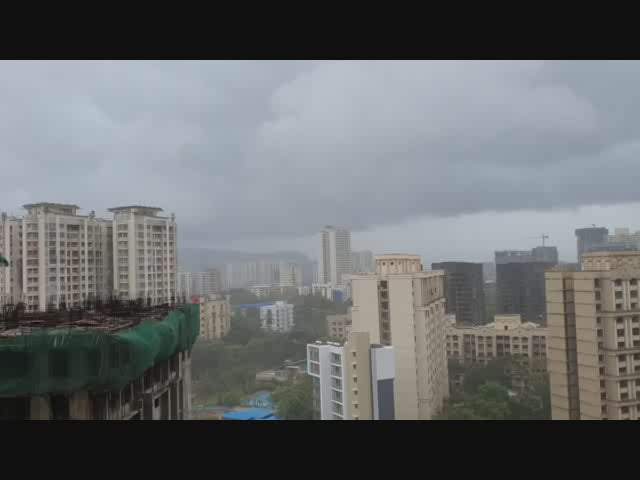
We understand nature challenges better
Understand the power of nature and enhance design skills. Facade engineering and design need to visualize challenges to make designs better. Our team use high tech tools and gadgets, helps in getting insights of design behaviours, data from the site implementations. Helps to improve our designs and efficiency.