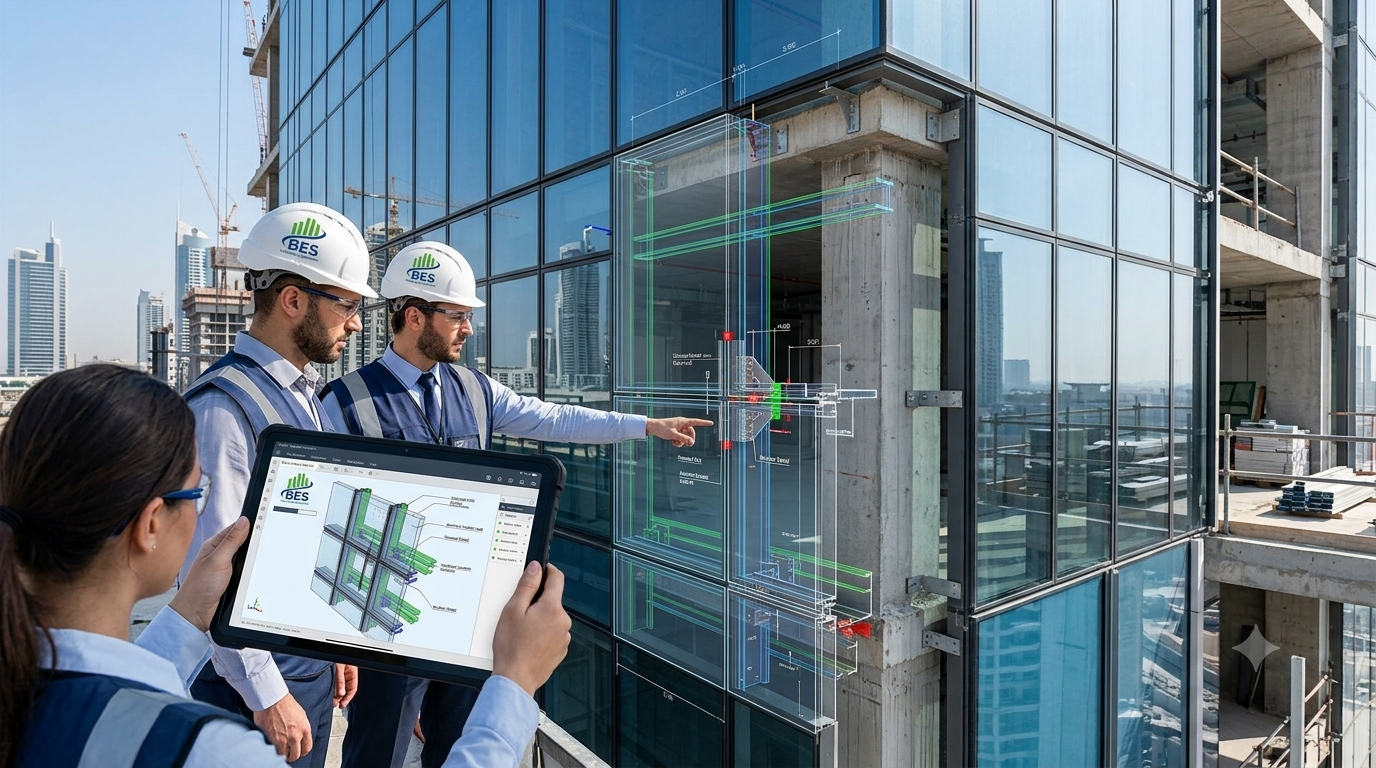
Top 5 Causes of Façade Failures in High-Rise Buildings
The function of façades in contemporary architecture cannot be limited to aesthetics. Today, façades are responsible for providing structural integrity, protection against weather conditions, thermal comfort, fire safety, and durability of construction. As the complexity of tall structures grows, so does the significance of façade engineering.Despite recent advances, façade failure is one of the persistent challenges in the modern construction sector. Issues like leaking, cracked seals, detached panels, broken glass, and corrosion are becoming frequent problems in commercial and residential buildings. Typically, they appear as gradual defects caused by improper detailing, inappropriate choice of materials, poor execution, or inadequate maintenance of a structure. To prevent future occurrences of façade failure, it is important to consider their main causes.

Poor Interface Detailing
The most common reason behind façade failure is poor detailing of connections between different components of a building. Locations of interfaces between façades and slabs, glazing systems, waterproofing layers, and other constructions may pose significant threats if they are not designed correctly.
An insignificant mistake in detailing may result in water and moisture intrusion, air leakage, and displacement caused by temperature variations. Most façade issues start in these areas, which are continuously affected by weather conditions. In façade engineering, the key to success lies in resolving the problematic interfaces properly from the very beginning.
Water Leakages and Its Impact
Water penetration into a façade continues to be one of the most common problems leading to degradation of façades in high rise structures. Poorly designed interfaces, flashing, and waterproofing systems can lead to moisture penetrating façade systems and causing damage to the structure. Ingress of water in a façade typically results in damp internal walls, corrosion of brackets and anchors, staining of façade surfaces, and damaged finishes. It is especially critical in locations such as Mumbai where high levels of humidity and rain are present in the local climate, and effective management of water is essential for a good performing façade system. A façade system should prevent water from entering the structure and facilitate efficient water management and drainage during the life of the building.
Our experts investigate façade defects with meticulous attention to detail, identifying root causes rather than merely documenting visible symptoms.

Incorrect Materials Used
The use of inappropriate materials can result in long-term performance problems in façades. Often, material selection is driven by aesthetic and financial considerations, without taking into account climatic conditions or suitability of the materials used.
Materials that are not suitable for the project or low quality might crack, degrade, Discolour or corrode due to exposure and thermal expansion. The choice of façade materials becomes crucial when selecting curtain walls, ACP cladding, structural glass, sealants, and fixings.
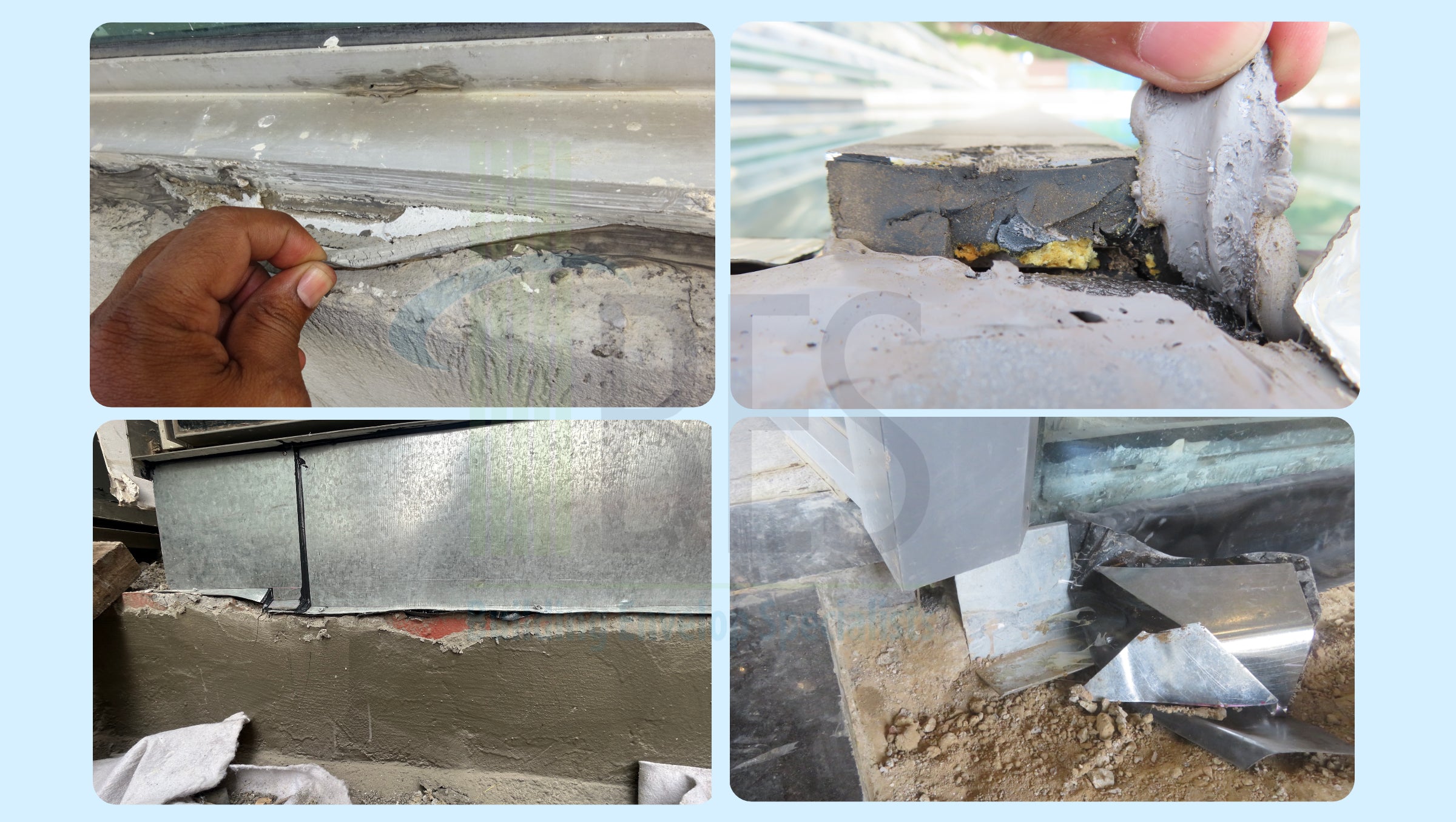
Poor Installation and Site Execution
Even the best façade design can fail if installation quality is compromised during construction. Many façade failures originate from poor workmanship, inaccurate alignment, improper anchoring, or incorrect sealant application during site execution.These issues may not become visible immediately but often appear after years of exposure to wind pressure, temperature changes, and moisture. Lack of quality checks during installation can significantly reduce the lifespan and safety of the façade system.This is why façade inspections, mock-ups, testing, and quality control processes are essential throughout project execution.
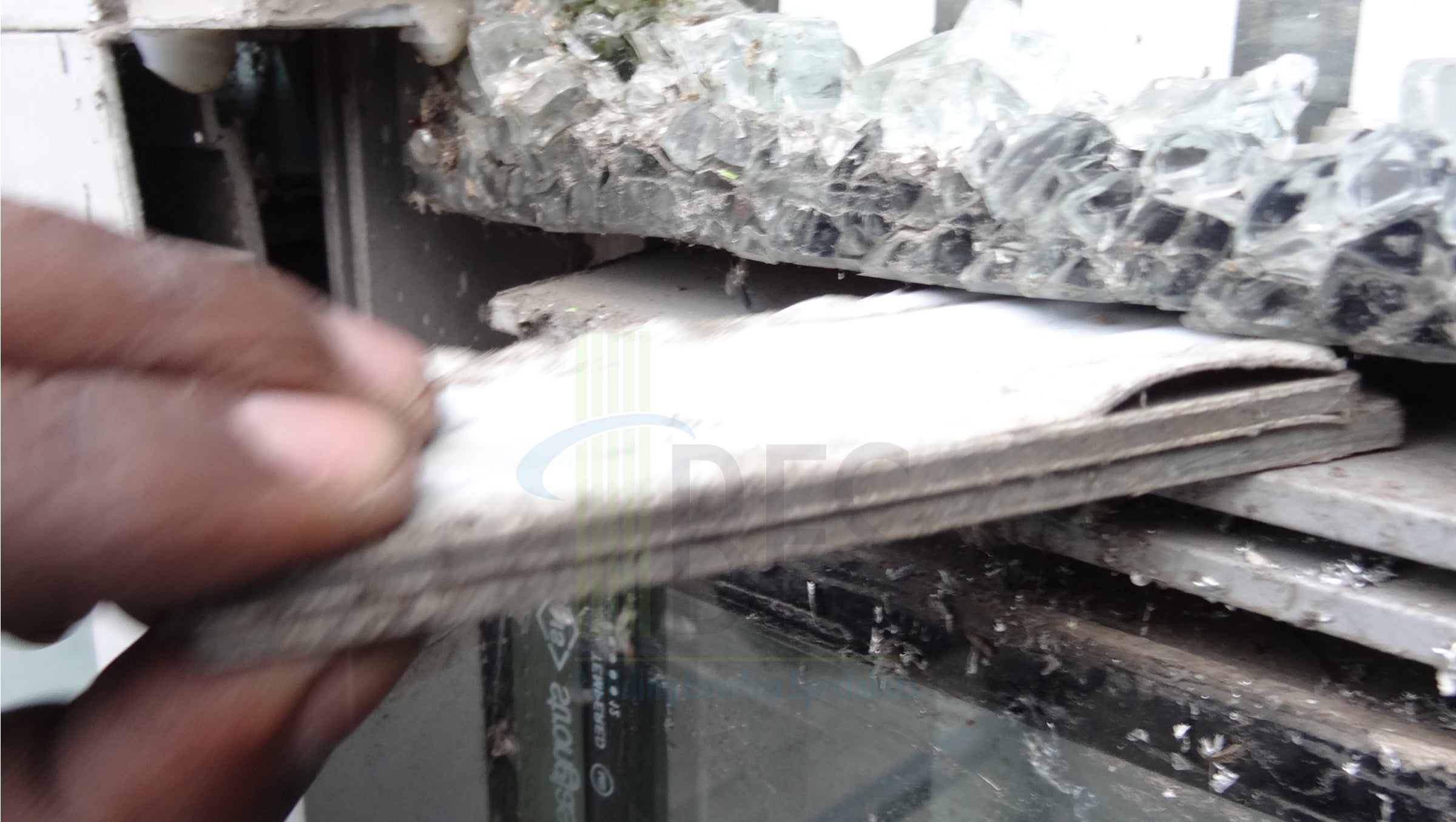
Lack of Maintenance and Inspection
Façades are continuously exposed to environmental conditions and therefore require regular inspection and maintenance. Small issues such as cracked sealants, loose panels, or minor leakage are often ignored until they become major safety and performance concerns.Without preventive maintenance, façade systems can deteriorate much faster, leading to expensive repairs and operational risks. Regular façade audits and inspections help identify problems early and improve the long-term durability of the building envelope.
Conclusion
Façade failures are rarely caused by a single issue. In most cases, they result from poor detailing, water ingress, incorrect material selection, weak execution, and lack of maintenance.As buildings become taller and façade systems more advanced, the role of façade engineering becomes increasingly important. A high-performance façade must deliver safety, durability, weather resistance, and long-term building performance alongside architectural aesthetics.Most façade failures can be prevented through proper engineering, quality materials, accurate detailing, and disciplined execution.
To learn more about our façade engineering and building envelope consultancy and Inspection services, connect with BES Consultants.